Magazine to Movie: How to Write True Stories That Get Optioned
A masterclass in writing articles that become movies and television shows
Enroll nowMeet your instructor
JEFF MAYSH is an award-winning writer whose work has appeared in The New Yorker, The Atlantic, Bloomberg BusinessWeek, and The Financial Times. With 30+ stories in development for film and television, he's been called "the most optioned writer working today" — after Stephen King.
His story about the McDonalds Monopoly fraud became the subject of a historic bidding war, won by Ben Affleck and Matt Damon for a record $1 million. He has dozens of features and television projects in development at top studios and streamers including Netflix, Fox Searchlight, and Universal.
Jeff specializes in narrative non-fiction with cinematic structure, focusing on untold true stories. He teaches non-fiction writers how to apply screenwriting techniques to longform storytelling and navigate the business of optioning their work to the entertainment industry.

You know the kind of article that breaks the internet. A true story that reads like fiction—with dramatic acts, larger-than-life characters, and a twist no one sees coming. That kind of story doesn't stay in a magazine for long. Sooner or later, Hollywood calls.

The Hunt
- Where to find unbelievable untold stories
- How to spot stories that inspire bidding wars
- What makes a story irresistible to the entertainment industry

The Craft
- How to write, edit, and fact-check true stories that feel like movies
- How to write in a dramatic three-act structure
- How to develop characters with transformative stories

The Business
- How to retain 100% of your IP rights and negotiate with publishers
- How to navigate complex film and television deals
- How to option your work to studios, streamers, and producers
Who is this for?
- Magazine writers hoping to turn their work into film and television
- Journalists ready to write longer, more ambitious pieces
- Authors who need to know how the entertainment industry works
- Anyone who wants to write stories that belong on the big (or small) screen
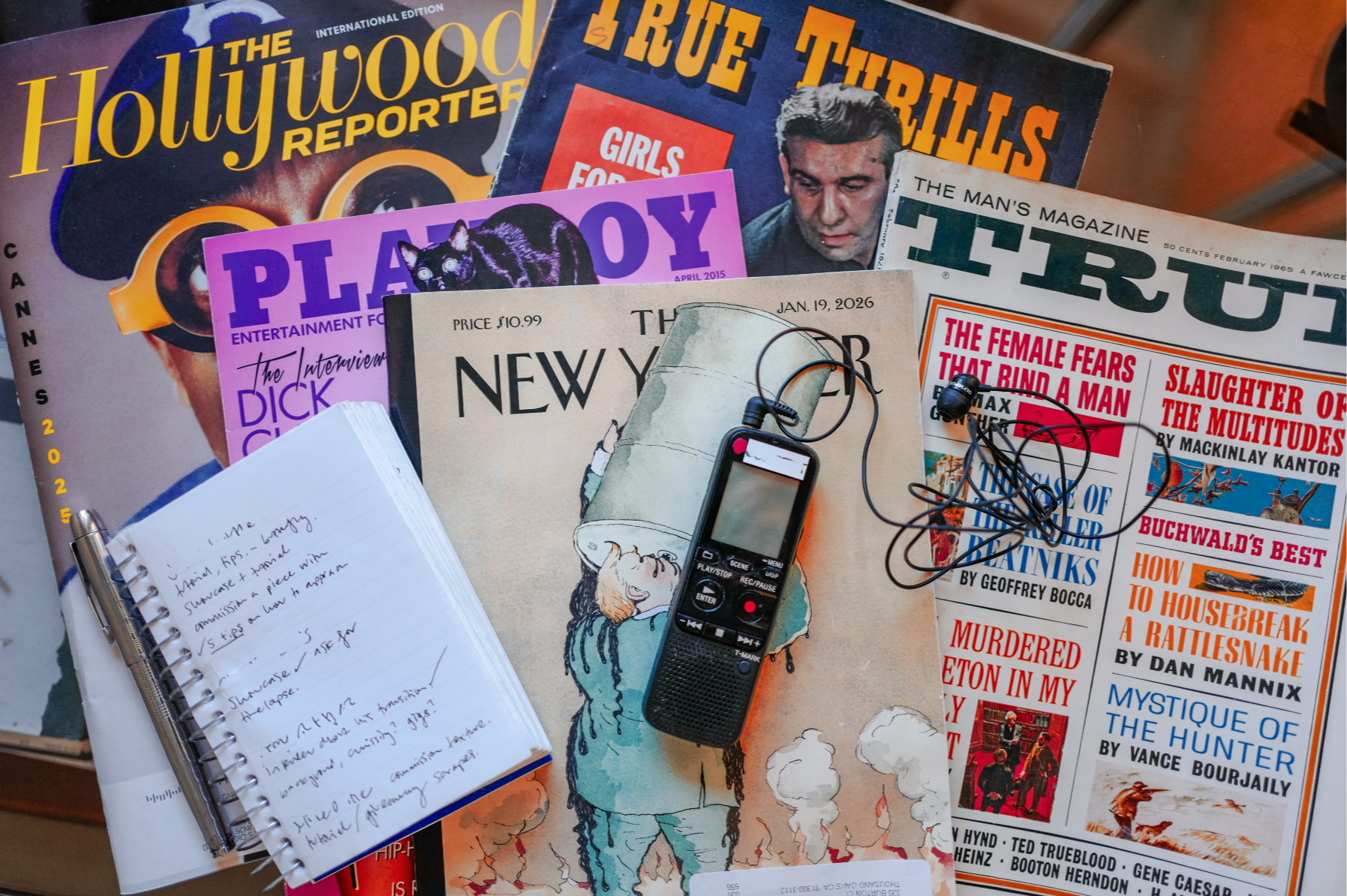
What's included:

Hours
Over two hours of video workshops, lessons, and more.

PDFs
Handouts, sample structures, reading lists and more.

Interviews
Detailed interviews with Jeff about the business of publishing
This workshop comprises ten self-directed chapters. You’ll work through the full arc of long-form narrative nonfiction: how to find a story worth telling, how to research it with the rigor of an investigator, how to structure it so it moves like a film, how to pitch it to editors, and how to protect your intellectual property when the entertainment industry takes notice.
Chapter 1: Find Blockbuster Ideas
- Unearth forgotten stories using surprising research methods
- Turn a small historical newspaper story into an irresistible longform hit
-
Learn how a single question can unlock incredible local legends hiding in plain sight
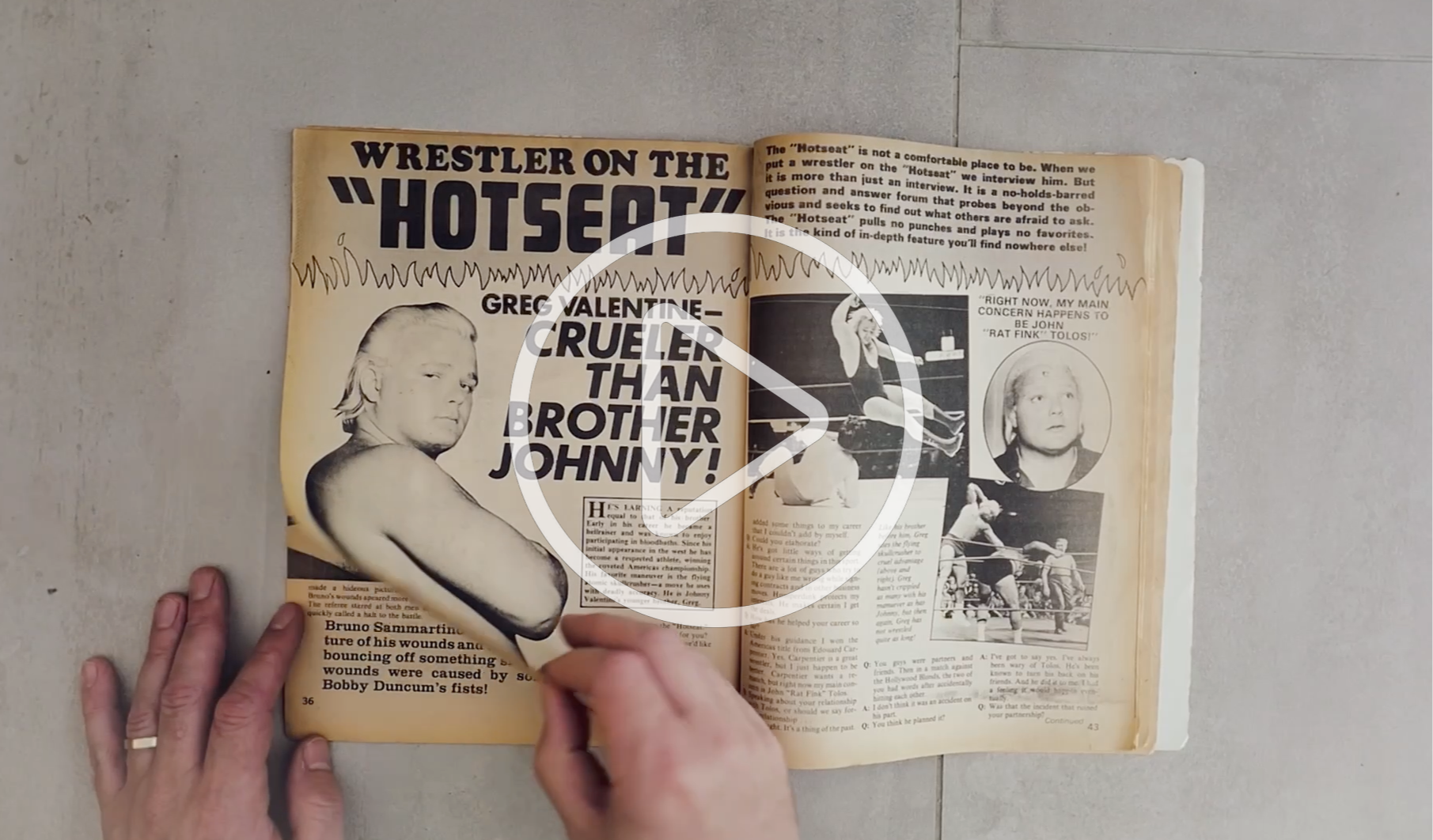
Chapter 2: Research Like A Pro
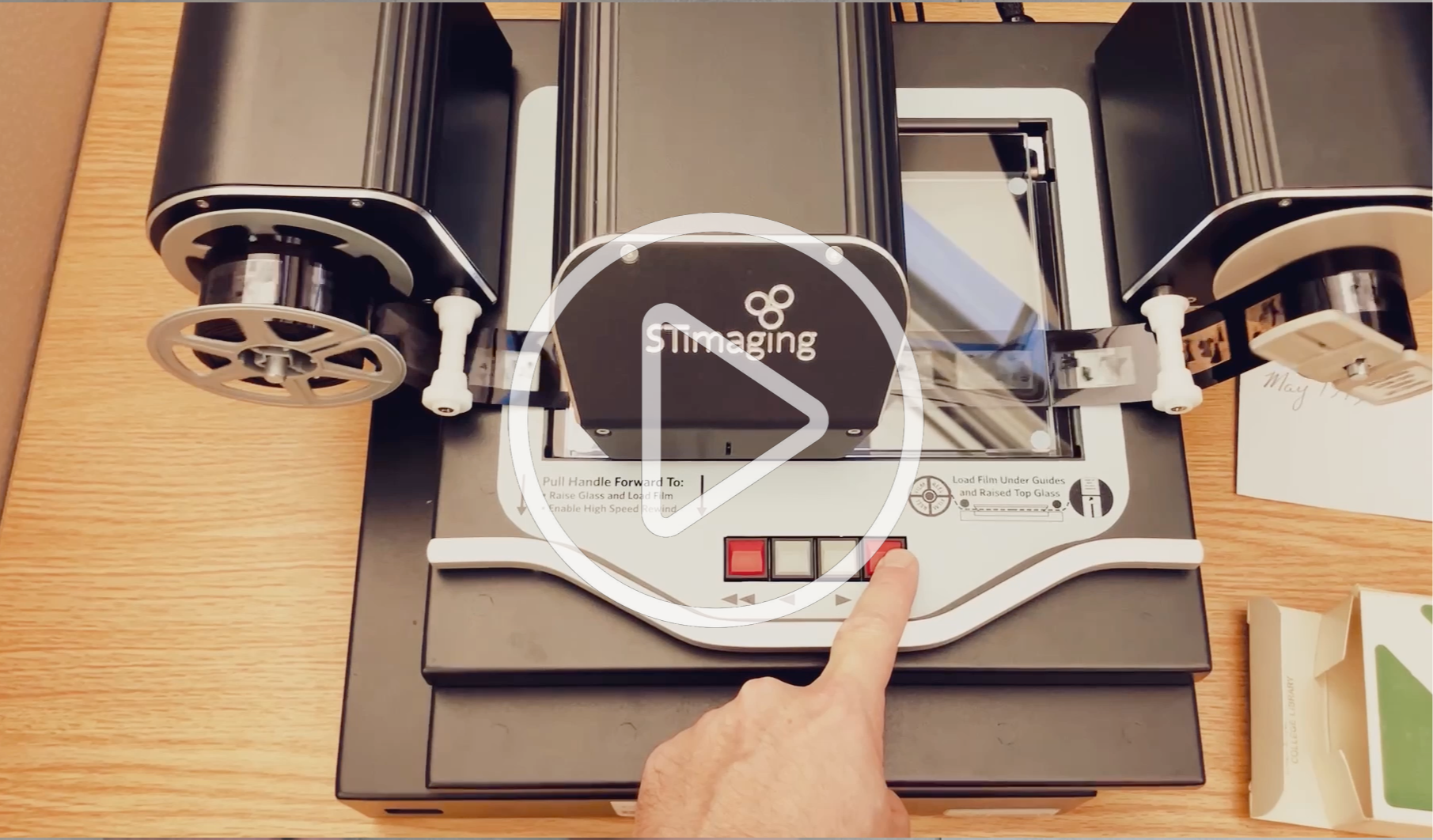
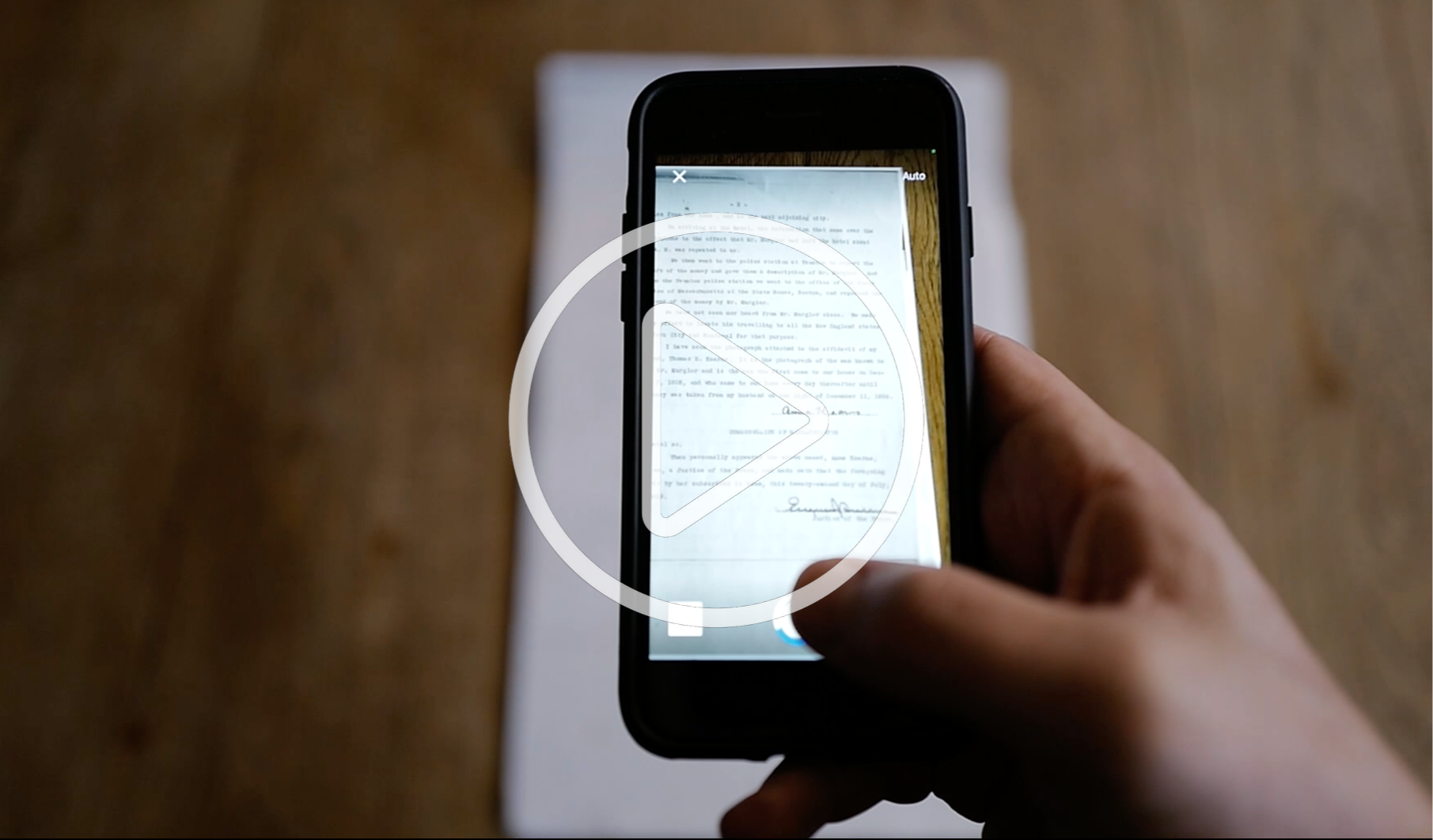
- Hunt through courthouse transcripts and newspaper archives
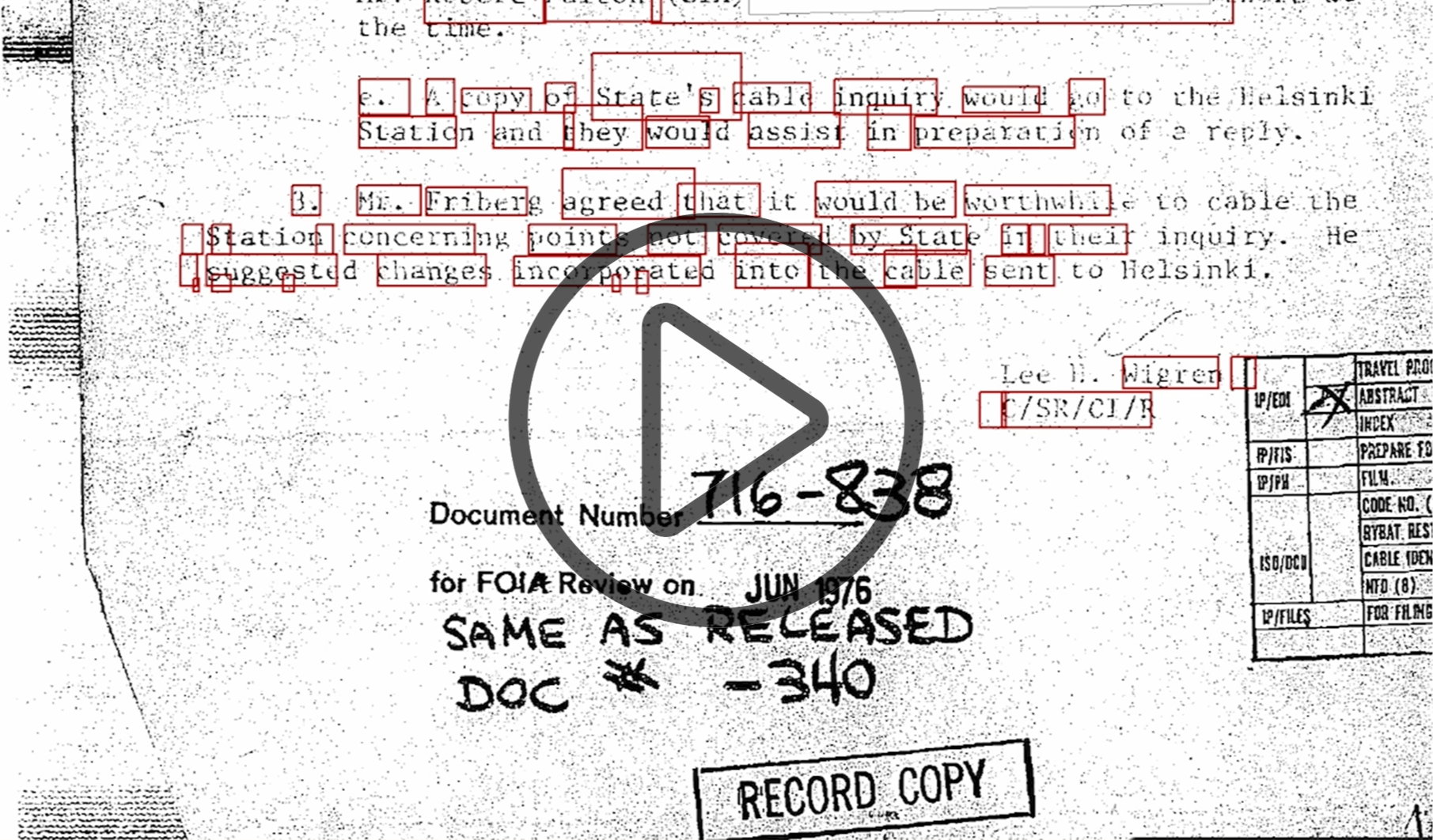
- Use OCR (Optical Character Recognition) to make PDF documents searchable.
- Set up a bulletproof evidence recording system
Chapter 3: Organize Your Sources
- Build a serial number system for every source and an archive that makes fact-checking straight-forward
- Create a phone log to track every call, wrong number, and voicemail
- Handle foreign language sources quickly and accurately.
Chapter 4: The Art Of Cinematic Writing
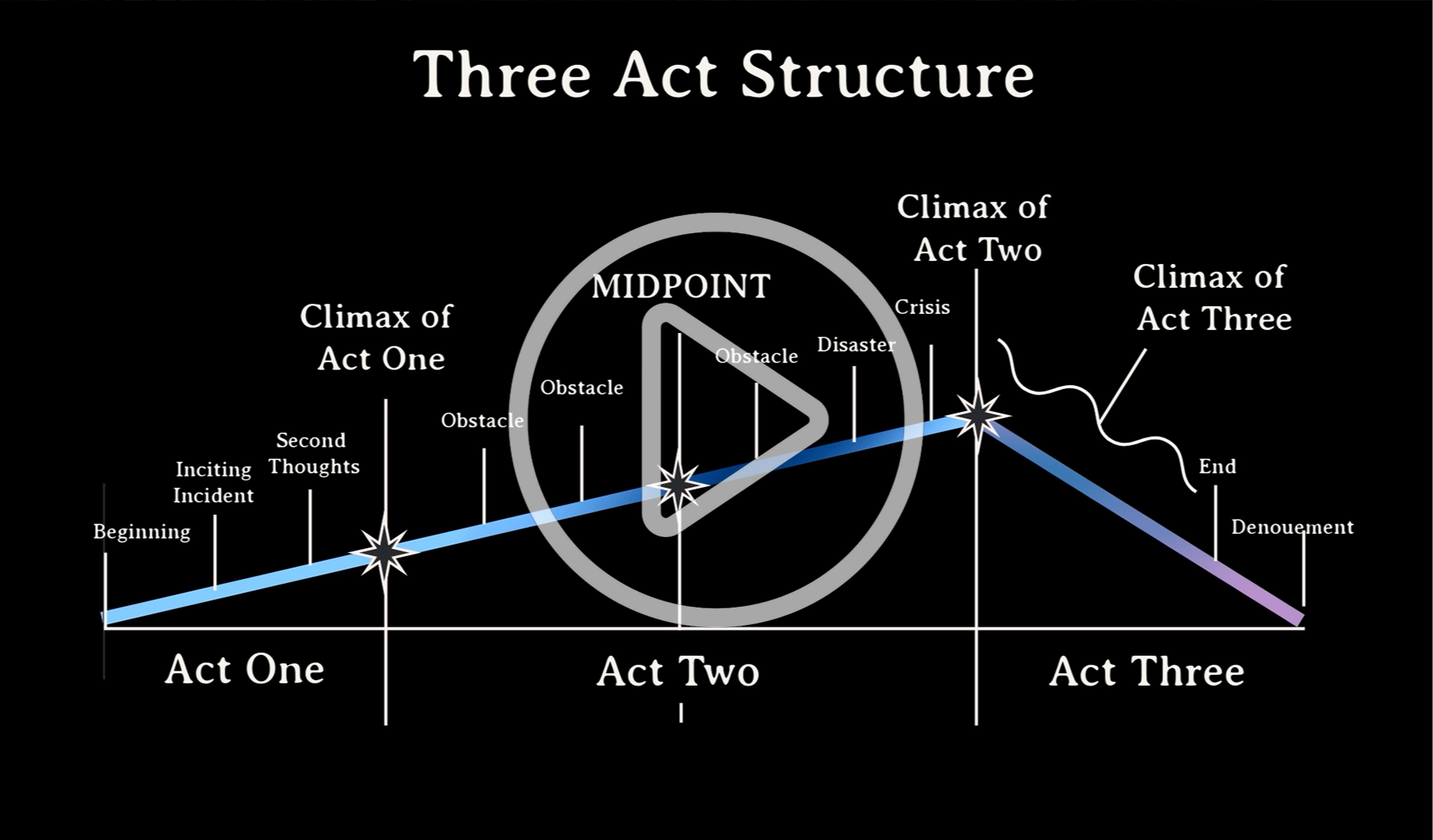
- Apply fascinating narrative structures to make non-fiction stories feel as fun as fiction
- Transform any true story into a cinematic experience with clear acts and narrative turning points
- Understand the power of the midpoint
Chapter 5: Simplify Your Schedule
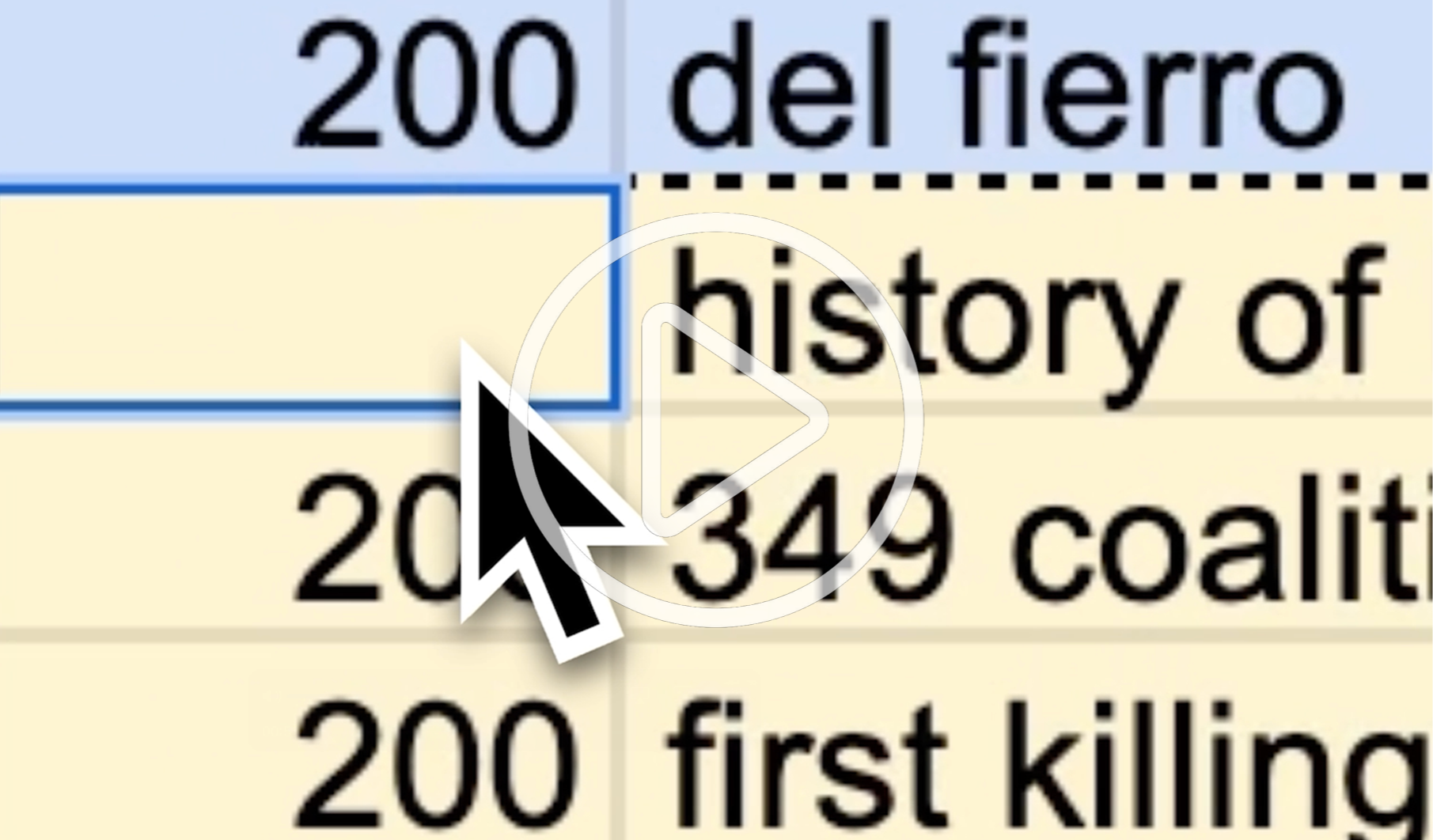
- Use simple spreadsheets and Gantt charts to break 10,000-word stories into manageable daily targets
- Write with forward momentum and create drafts without backtracking
- Avoid writer's block and blank page paralysis
Chapter 6: Get Your Facts Straight
- Build your story structure with facts BEFORE writing a single word
- Annotate every quote and fact with footnotes as you go
- How to stop fact-checking becoming a nightmare
Chapter 7: Self-Edit Longform Stories
- How to avoid your words feeling familiar during long projects
- Use the highlighter method to track dates and characters
- Apply the "30-word cut" rule and the "week off" technique—plus how to use beta readers

Chapter 8: A New Way To Pitch
- How to write pitches that grab any editor's attention
- How to use screenwriting techniques to write a killer pitch
- How to overcome pitch frustration

Chapter 9: Fight For Your Rights
- Learn to negotiate with publishers for favorable IP rights
- Understand "work made for hire" red flags
- How to self-publish when necessary to retain 100% ownership
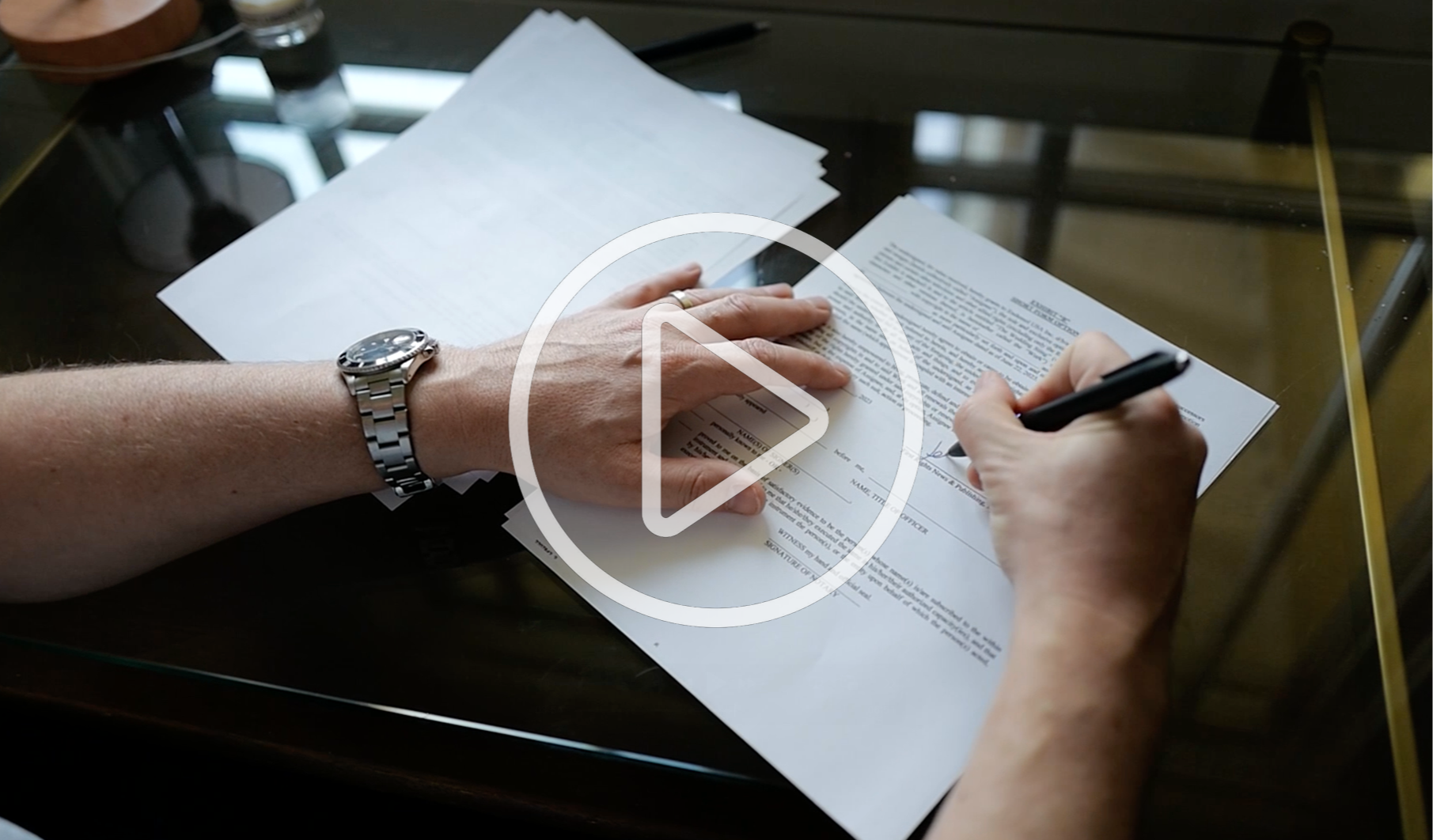
Chapter 10: How Film/TV Options Work
- Decode complicated Hollywood deal structures
- Navigate royalties, spin-offs, sequels, and merchandise rights—and other hidden compensation
- Get the insider's guide to option agreements

By the time you finish, you’ll have a framework for finding your next story, the tools to structure it with cinematic precision, and a clear understanding of how to pitch, protect, and option your work to the entertainment industry.
Full access
$200
- 10 comprehensive video lessons
- 2 recorded in-depth Q&As
- Downloadable templates
- Lifetime access
Join today
The movie and television business is desperate for new ideas—and some of the biggest films and shows of the past decade started as magazine articles. The writers who consistently option their work aren't just lucky. They understand structure, they know how to find the right stories, and they know how to protect their rights. This course teaches all of it.